Try our free symptom checker
Get a thorough self-assessment before your visit to the doctor.
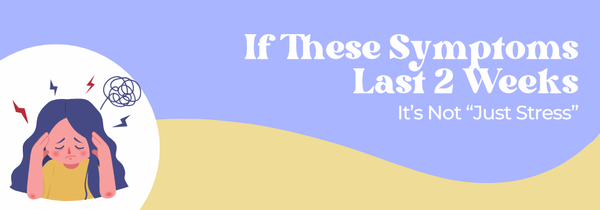
Mental health shapes how you think, feel, and act every day. It affects your relationships, your energy, and how well you function at work or school. Stress is a normal part of life, and it can come from many sources, like job loss, political tension, or personal challenges. But when symptoms don’t go away, it may be more than “just stress.”
If you feel unlike yourself for two weeks or more, that is a warning sign. You may notice changes in sleep, mood, energy, or interest in daily activities. These patterns often point to anxiety, depression, or other mental health concerns.
Early research shows that most mental illnesses don’t appear suddenly. According to studies, half of all mental health conditions begin by age 14, and three-fourths by age 24. This means subtle changes in behavior or mood are important signals.
So, ask yourself: are these changes lasting longer than usual? Catching symptoms early can make recovery easier and prevent them from worsening.
Key Warning Signs
When stress lasts longer than expected, it can affect your mind and body in ways you should not ignore. If these symptoms continue for two weeks or more, they may signal a deeper mental health concern:
- Disrupted sleep — Trouble falling asleep, waking too early, or oversleeping often.
- Mood changes — Irritability, sudden emotional shifts, or feeling unusually sensitive.
- Loss of joy — A lack of interest in activities that once brought happiness.
- Appetite changes — Eating much less or much more than usual, leading to noticeable weight shifts.
- Low energy — Persistent fatigue or difficulty finding motivation to do daily tasks.
- Physical symptoms — Headaches, stomach problems, rapid heartbeat, or dizziness without a clear medical cause.
- Withdrawal — Pulling away from friends, family, or social activities.
- Decline in functioning — Struggling to perform at school, work, or in everyday responsibilities.
- Problems thinking — Trouble focusing, remembering, or making logical decisions.
- Unusual behaviors or perceptions — Feeling disconnected, overly nervous, or experiencing illogical thoughts.
Noticing several of these signs together is a strong reason to take action.
Why Early Action Matters
Ignoring symptoms for weeks can make them harder to manage. What begins as changes in sleep or mood may grow into serious mental health problems if left unchecked. Small warning signs often develop before a condition shows up in full form.
According to studies, most mental illnesses begin early in life, but they rarely appear suddenly. Instead, they build gradually. This shows why recognizing early changes is so important. Acting quickly can reduce how severe the illness becomes, improve recovery, and sometimes even prevent the illness from fully developing.
Think about it this way: if your body showed signs of infection, you would treat it before it spread. Your mind deserves the same care. Early steps—like seeking support, adjusting habits, or consulting a professional—can make a real difference in protecting your well-being.
Steps for Self-Care at Home
Not every warning sign means you already have a mental health disorder. But simple daily habits can protect your mind before symptoms get worse. Building structure and balance into your routine supports both physical and emotional well-being.
Practical steps include:
- Prioritize sleep — Aim for 7–8 hours each night and avoid screens before bed.
- Eat balanced meals — Choose whole foods that keep your energy steady.
- Exercise regularly — Even 30 minutes of movement most days improves mood.
- Stay hydrated — Drink water and limit caffeine or alcohol.
- Practice mindfulness — Use meditation or breathing exercises to manage stress.
- Talk to someone you trust — Share how you feel with a friend or family member.
- Stay socially connected — Keep healthy relationships to avoid isolation.
These actions do not replace professional care, but they create a strong foundation for mental health.
When to Seek Professional Help
Healthy routines can support your mind, but some symptoms require professional care. If daily changes do not bring relief, it is important to reach out for help. Talking with a doctor or mental health professional can guide you toward the right treatment.
Seek help if you notice:
- Symptoms lasting more than two weeks and interfering with daily life
- Declining performance at work, school, or in relationships
- Persistent sadness, fear, or unusual thoughts
- Physical symptoms like headaches or stomach issues with no clear cause
- Thoughts of harming yourself or others (this needs immediate attention)
When you meet with a provider, be ready to discuss:
- Your medical history
- Current symptoms and concerns
- Lifestyle habits, including sleep, diet, alcohol, or drug use
- Stressors and relationships that affect your well-being
Reaching out is not weakness—it is a step toward recovery. With guidance, you can find counseling, medication, or other treatments that help you feel like yourself again.
Conclusion
Feeling “off” for a few days is normal, but lasting changes are not. When symptoms stay for two weeks or more, it signals that your mental health needs attention. Ignoring these warning signs can make recovery harder, while noticing them early can open the door to healing.
You are not alone in this. Support can come from simple self-care practices, conversations with trusted people, or professional guidance when needed. Taking action now protects both your present well-being and your future health.
So, pause and ask yourself: are these changes still with me after two weeks? If the answer is yes, it is time to take your mental health seriously—and reach out for the help that can make a difference.
Was this article helpful?
References
- Kessler, R. C., Merikangas, K. R., & Wang, P. S. (2007). Prevalence, comorbidity, and service utilization for mood disorders in the United States at the beginning of the twenty-first century. Annual Review of Clinical Psychology, 3, 137–158. https://doi.org/10.1146/annurev.clinpsy.3.022806.091444
- Schulenberg, J. E., & Zarrett, N. R. (2006). Mental health during emerging adulthood: Continuity and discontinuity in courses, causes, and functions. In J. J. Arnett & J. L. Tanner (Eds.), Emerging adults in America: Coming of age in the 21st century (pp. 135–172). American Psychological Association. https://doi.org/10.1037/11381-006